
An interlude in our ongoing series on the Illinois Digital Asset Tax. No statute sections this time, no legal theories. Just a Saturday afternoon in Portage Park, and why I think it mattered more than it looked.
On August 1st, the Illinois Bitcoin Council hosted a gathering on a covered patio behind a restaurant on North Central Avenue. About three dozen people came: builders, advisers, attorneys, podcasters, students of this thing, and a few people who have just started their journey.
I’ve spent most of this year writing about a law. The 0.2% tax on digital asset business activity takes effect January 1, 2027, and this series has been a fairly relentless accounting of everything wrong with it: the incoherent taxable events, the sourcing rule nobody can actually satisfy, the felony penalties attached to definitions that don’t exist yet. That work continues. Nothing about the afternoon of August 1st changes a word of it.
But something happened this summer that I don’t think Springfield anticipated, and it’s worth pointing out.
The second-order effect
When you tax something, you get less of it. That’s the part everyone understands, and it’s most of our economic argument against this law.
Here’s the part that doesn’t show up in a revenue estimate. When you tax something that people believe in, you don’t just get less of it. You get organization. People who had never met start comparing notes. Businesses that had no reason to talk to each other discover a shared problem. A loose scattering of meetups and firms and one-person operations starts behaving like an industry, because it suddenly has to.
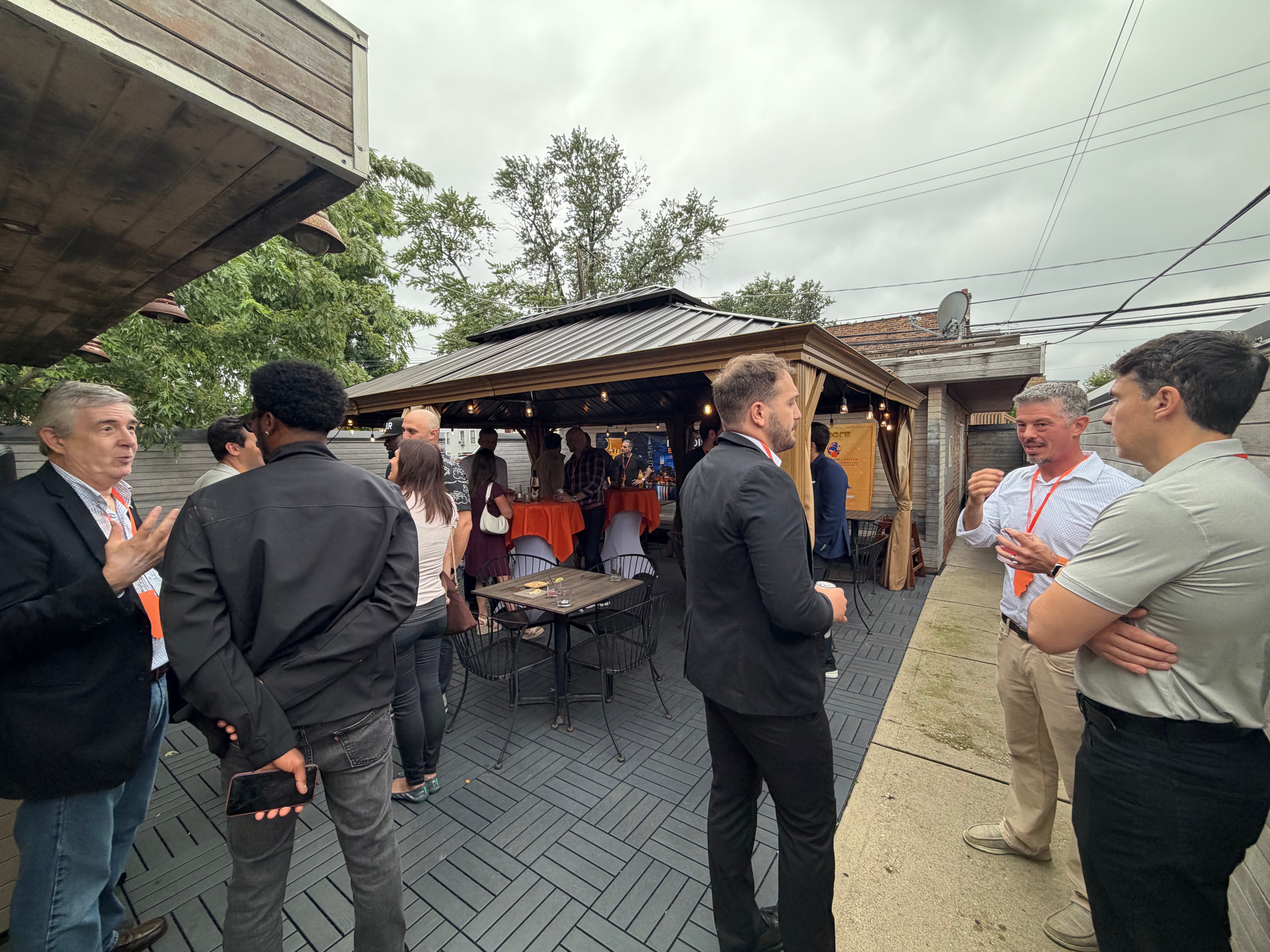
That’s what I watched happen on that patio. Six months ago, most of the people in that room hadn’t been in a room together. On Saturday they were introducing each other to their own contacts, trading notes on compliance, arguing about the rulemaking calendar, and, this is the part I keep thinking about, planning things that have nothing to do with the tax at all.
You do not get that from a well-run state. You get it from a state that just did something a lot of its residents think is a mistake.
Portage Park, of all places
The setting isn’t incidental, so let me tell you about it.
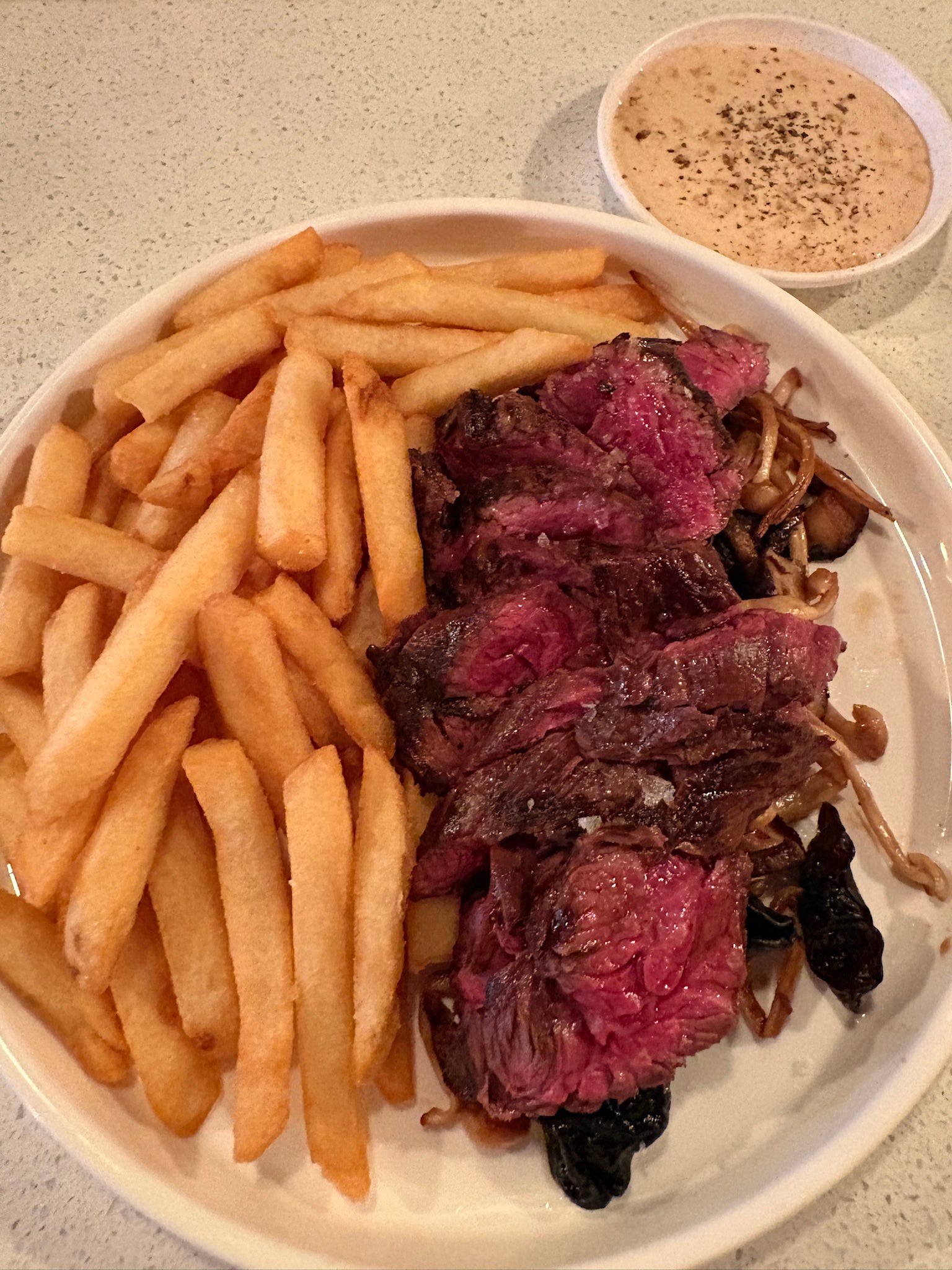
Fork & Coin is an Asian-influenced public house at 3938 N. Central Avenue, in the building that used to house the Bluebird Cafe before a fire closed it in 2024. Chef Foise and his team have been running pop-ups and supper clubs there through the summer. The food on August 1st was, and I want to be precise here because precision is the whole brand of this newsletter: absurdly and undeniably amazing. Glazed pork belly on palm-leaf plates. Chicken meatballs. Koji hanger steak I thought about again on the drive home.
Fork & Coin also accepts Bitcoin and Lightning. Which means that on January 1, 2027, a neighborhood restaurant in Portage Park is going to be operating inside the perimeter of a tax that was written, as far as I can tell, with trading desks in mind. That is the entire argument of this series compressed into one address.
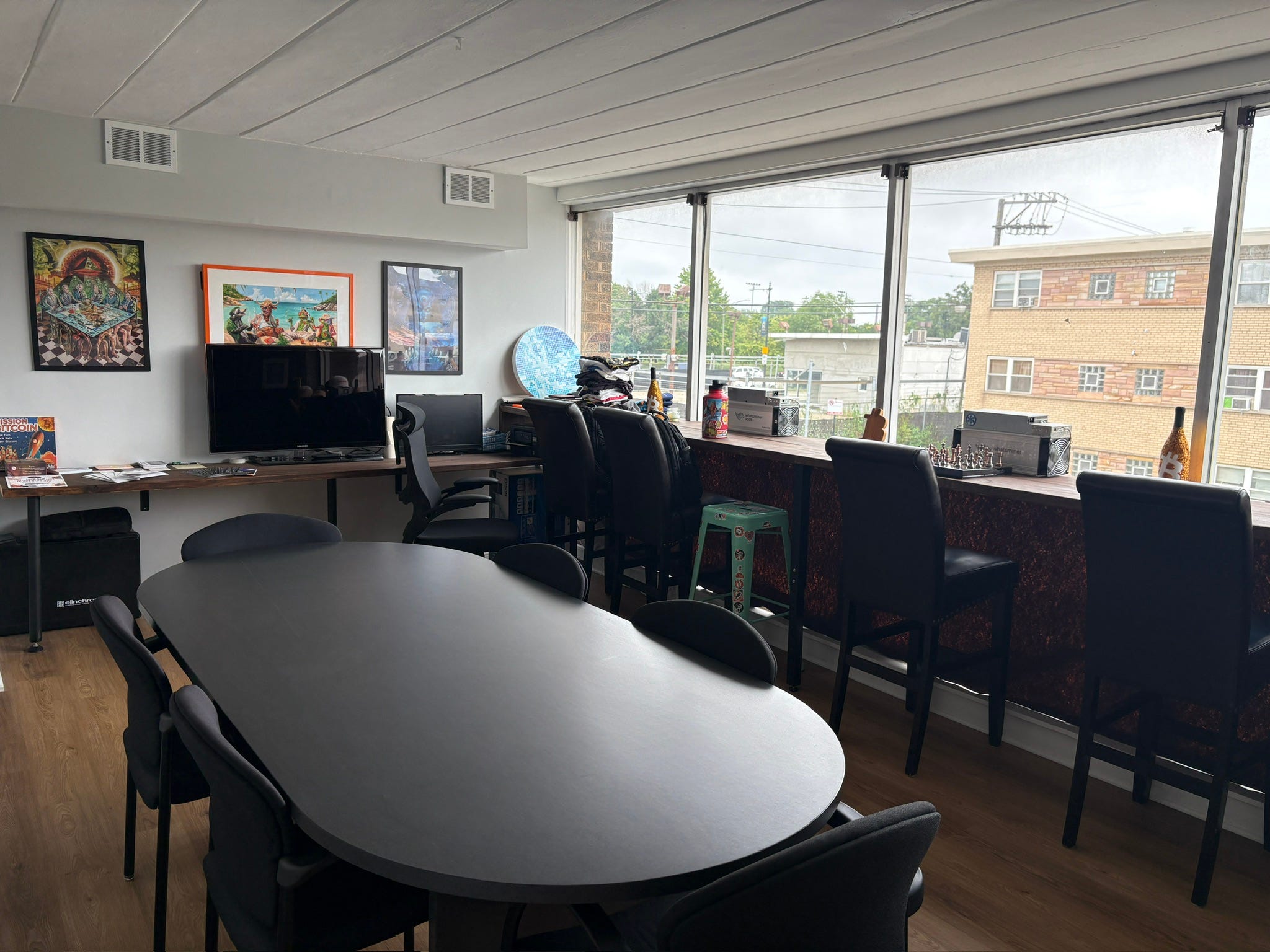
Sharing that address is the Chicago Bitcoin Collective (a physical co-working space, not a mailing list) co-founded by Jon Gordon, Mike Jakubeck, Kevin Pallikunnel, and Julio Neira, where Chicago BitDevs and the Bitcoin & Open Blockchain meetup gather. Many of these Bitcoiners have their own Bitcoin businesses, like Jon Gordon’s SOUNDHSA, a sovereign health platform built on bitcoin.
CBC and Fork & Coin co-hosted us, and the fact that a restaurant and a Bitcoin community space are behind the same door is not a coincidence anyone should skip past. Somebody decided that the thing this technology needed in Chicago was a room with chairs in it.
Our gathering was invitation-only, and I want to be straight about that, because “exclusive” is a word that sits badly next to everything else we say. A tax that hits savers hardest should not be answered by a private party. The room was small because working rooms are small; this was a planning session with better food than usual. The doors that actually matter here are open ones. CBC’s monthly meetups are open. Fork & Coin’s grand opening and ribbon cutting is this Saturday, August 8th at 11 a.m. (their first brunch service, new cocktails, new menu) and it’s open to anyone in Chicago who eats.
The room
I’m not going to publish a guest list. But a few things about that room are worth saying out loud, because they’re evidence of something.
Two of the most-followed independent voices in Bitcoin media made an appearance: Natalie Brunell, who brought copies of her book Bitcoin Is for Everyone and gave them away, and Sam Callahan, Director of Strategy & Research at OranjeBTC. Neither of them spoke from a podium. They came because Illinois is where the interesting fight is right now. Six months ago, that was not the case.
Bob Fioretti, a candidate for Illinois Attorney General, spent the afternoon listening. Not campaigning; listening, to people explaining what a 0.2% transaction tax does to a payments business. IBC is nonpartisan and will stay that way; we’ll have that conversation with any candidate of any party who wants it, and we’ve asked for plenty that haven’t happened yet. That one did, and it’s worth saying thank you for it.
There were founders of community Bitcoin projects, two people who run summits, a digital-assets audit manager, an attorney who took the microphone, and a handful of people who make their living building on this technology inside a state that just made it more expensive to do so. They all showed up anyway. That’s the data point.
The people who paid for the chairs
Four sponsors made the afternoon happen, and all four are worth your attention on their own merits:
Orange Horizon Wealth: Jeff Aurand and the Rockford-based team who deliver Bitcoin-focused advice, portfolio management, and financial planning to people who hold it. Jeff’s help with planning was as valuable as the sponsorship.
Subscription Lawyer: John Heiderscheidt’s Chicago firm, offering affordable immigration, criminal, and civil legal services on a subscription model. John is also IBC’s Secretary.
Midwest Bitcoin Summit: Andrew Tilmann has been an IBC member since the beginning, and his work building MBS and the Bitcoin Scholarship Foundation is the long-game version of what we’re all doing. This year’s summit is in Columbus, September 23–24.
Chicago Bitcoin Collective: who gave us the room. Their V4V Summit is September 14–15, with dinner at Fork & Coin and a Value for Volume night at Avondale Music Hall — Big G, Abel James, and Scardust, doors at 7, tickets $21.
What I actually took away
The tax is still bad. Every argument in this series still stands, and the rulemaking fight in front of us is the one that counts.
But there’s a version of the next eighteen months where Illinois’ digital asset community is a scattering of individually frustrated people, and there’s a version where it’s a coalition that knows each other’s names and phone numbers. On August 1st I got a pretty clear look at which version we’re going to get.
Springfield didn’t intend to build that. They built it anyway.
Four easy things this week:
Go to Fork & Coin. The grand opening and ribbon cutting is Saturday, August 8th at 11 a.m., 3938 N. Central Ave. Eat well, then leave them an honest review; it’s the cheapest support a small business can receive.
Show up at the Chicago Bitcoin Collective. The meetups are open, the room is the point, and the V4V Summit is September 14–15.
Subscribe if you haven’t. We’re back to the statute next week, and there’s a rulemaking window coming that we all need to be ready for.
Become an IBC member. Our efforts support the growth of the Bitcoin industry in Illinois. Help us paint the state orange.
The Illinois Bitcoin Council is a nonpartisan nonprofit. This post is educational and is not legal, tax, or investment advice.